Overview
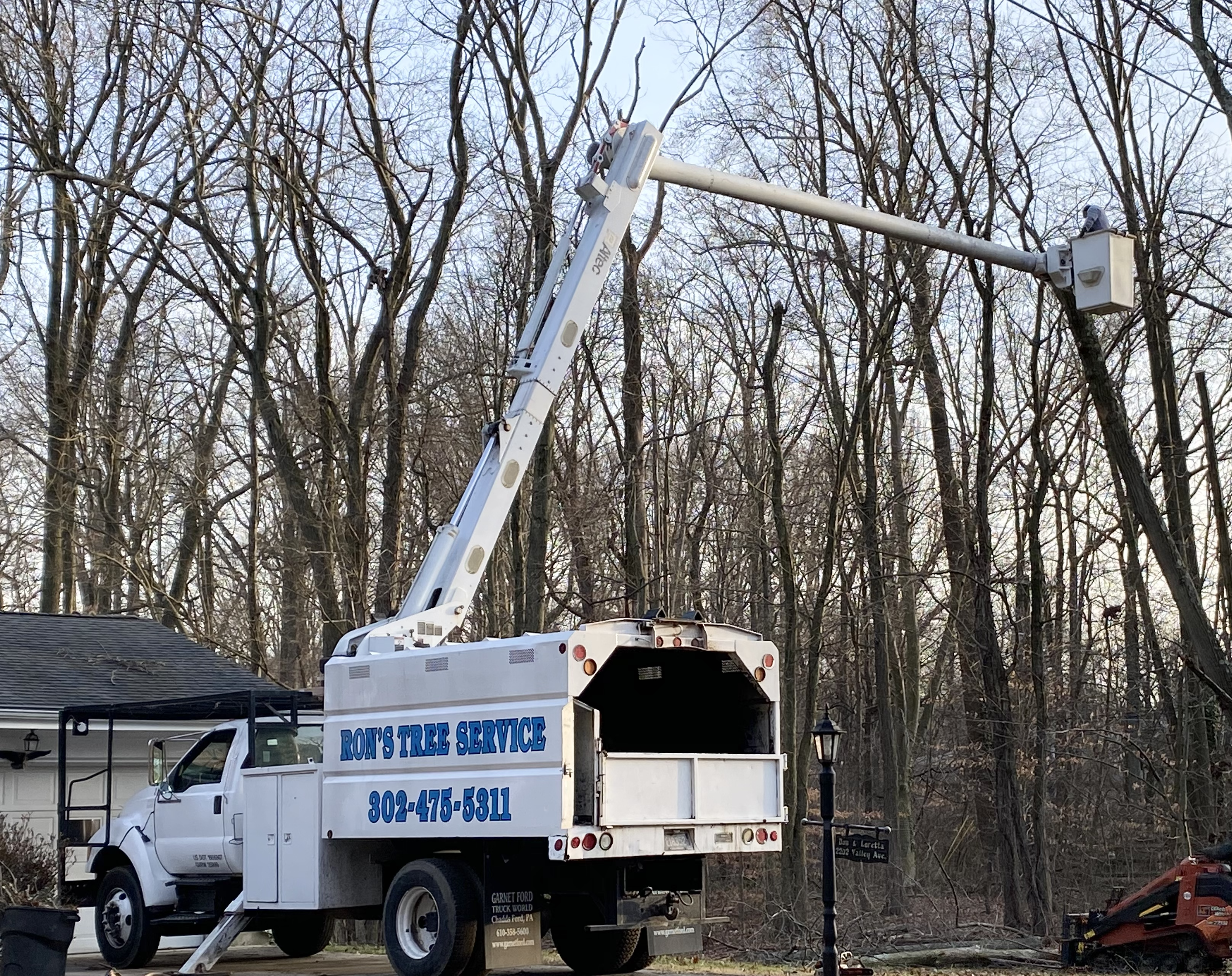
Good pruning is subtraction done carefully. We remove deadwood, relieve heavy limbs, and open the canopy so light and air move through — without topping trees or leaving wounds that invite decay.
Structural pruningCorrecting weak unions and crossing limbs before they become failures.
Clearance workRoofs, driveways, walkways, and utility lines given proper separation.
Shaping with restraintWe cut to the tree's natural form instead of forcing a silhouette.
How the job runs
- 01Canopy walk-through and pruning plan
- 02Deadwood and hazard limb removal
- 03Thinning, shaping, and clearance cuts
- 04Chipping and site cleanup
Common questions
When is the best time to trim?
Late winter suits most hardwoods, but deadwood and hazard limbs can and should be removed any time of year.
Do you top trees?
No. Topping weakens trees and creates future hazards. We use proper reduction cuts instead.
What determines pruning cost?
Tree height and species, how much of the canopy needs work, proximity to roofs and wires, and the volume of debris to chip and haul.
How soon can you schedule pruning?
Routine pruning is typically booked one to two weeks out. Hazard limbs over a house or driveway get moved to the front of the schedule.
Book a tree pruning estimate
Free estimates, straight answers, no pressure.